· 12 min read
Childminding House Requirements: The Essential UK Guide
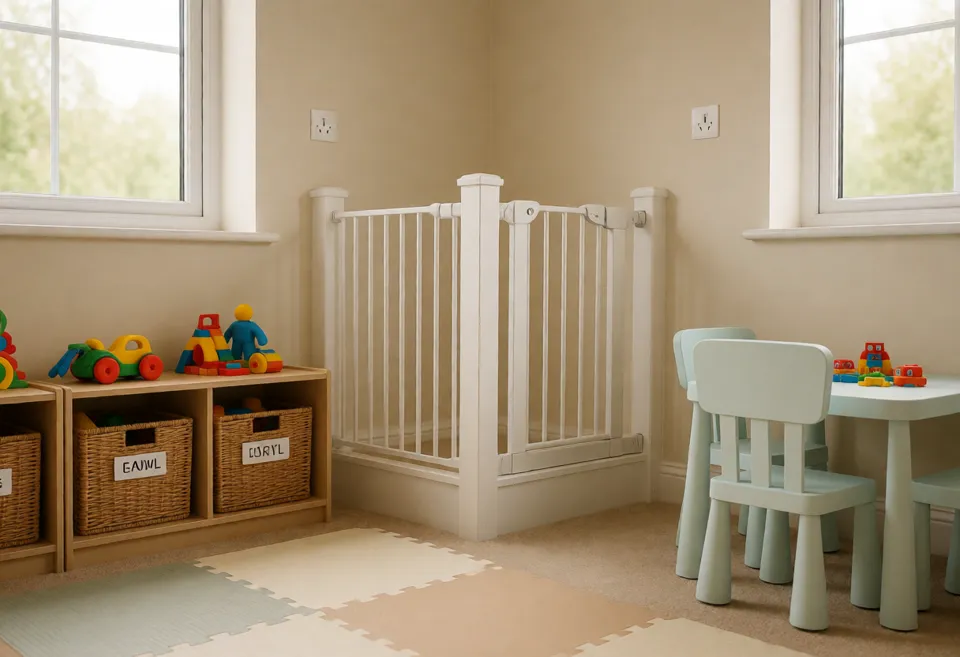
This guide explains what childminding house requirements are, how to meet them, and how to create a compliant document that keeps children safe and satisfies Ofsted – without unnecessary stress.
Key takeaways
- Childminding house requirements cover safety, space, equipment, and hygiene in your home.
- A written document helps you prepare for inspection and shows parents you're professional.
- Common mistakes include forgetting outdoor areas and not updating risk assessments regularly.
- You can create a compliant document quickly using templates that match EYFS and Ofsted guidelines.
Your home is one part of how to register as a childminder. See that page for the full set of steps.
What are childminding house requirements?
Childminding house requirements are the safety, space, hygiene, and equipment standards your home must meet to care for children registered with Ofsted (or a childminder agency). They cover every part of your property that children will use – indoors and outdoors – and are part of your wider legal duty under the Early Years Foundation Stage (EYFS).
These requirements exist so no one gets hurt and so parents can trust that their child is in a prepared environment. Ofsted will check them during your registration visit and at every inspection. Getting them right from the start stops you from being caught out later.
The childminding house requirements also include written documentation – risk assessments, policies, and records – that prove you've thought through potential dangers. This is where many childminders get stuck, because it can feel like a mountain of paperwork. But it doesn't have to be.
Essential clauses at a glance
| Requirement | Key detail |
|---|---|
| Safe indoor space | At least one play area with child-safe furniture and storage |
| Secure outdoor access | Fenced garden or safe outdoor play space (or daily access plan) |
| Emergency procedures | Fire escape plan, first aid kit, emergency contacts list |
| Hygiene & sanitation | Nappy-changing area, handwashing facilities, cleaning schedule |
| Risk assessment | Documented assessment of every room and outdoor area used by children |
| Sleeping arrangements | Separate, quiet space with safe cots or mats for napping |
Why childminding house requirements matter for your setting
Meeting your childminding house requirements isn't just about ticking Ofsted's boxes. It directly affects the safety and wellbeing of the children you care for. A well-organised home reduces accidents, supports positive behaviour, and makes your daily routine smoother.
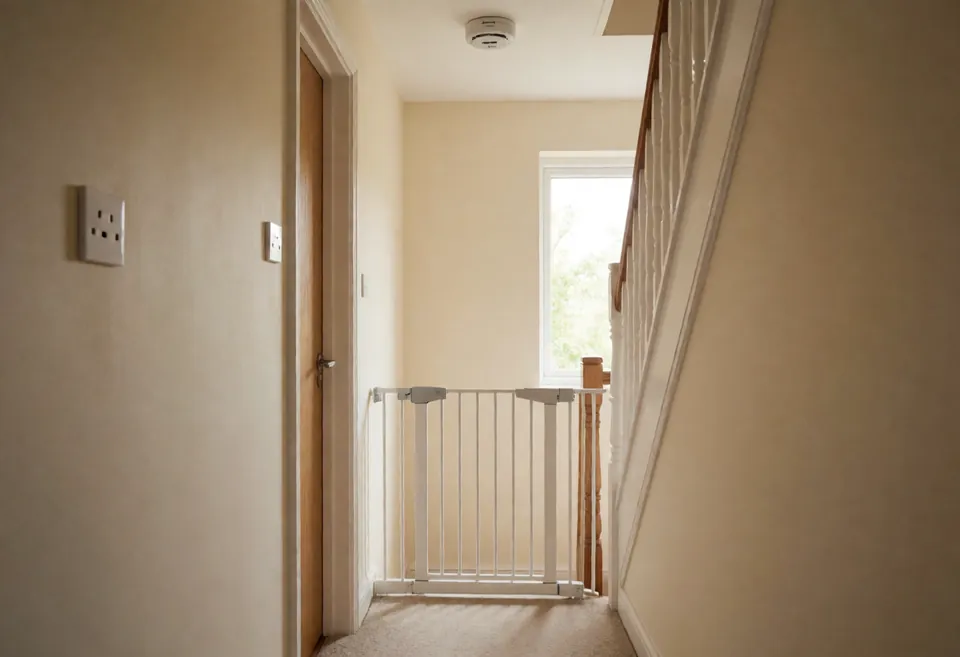
When parents visit your setting, the state of your home is their first impression. A clean, child-safe environment tells them you're professional and serious about their child's care. On the flip side, clutter or visible hazards can put them off – and they may choose a different childminder.
Ofsted inspectors use your house requirements as a lens to judge your overall practice. If they see a thorough risk assessment and a safe layout, they'll assume your routines and record-keeping are just as solid. Get this right and the rest of your inspection becomes less daunting. For more on inspection readiness, see our Ofsted practice questions guide.
Tip: Keep a copy of your house requirements document next to your front door. When Ofsted arrives, you can hand it over immediately – it shows you're organised and confident.
Short on time? Policy & Play gives you ready-to-use, editable UK templates — filled in in minutes.
Essential clauses and sections in a childminding house requirements document
A complete childminding house requirements document should cover every area children access. Below are the key sections to include:
- Indoor space: describe the playroom or main play area, including floor coverings, furniture safety (anchored shelves, rounded corners), and window locks.
- Outdoor space: detail garden fencing height, gate security, surface under climbing equipment, and any water or plant hazards.
- Sleeping arrangements: specify where children nap – cots, travel cots, or floor mats – and how you supervise them.
- Nappy-changing and toileting: location of changing area, handwashing facilities, and disposal of nappies.
- Kitchen and food preparation: how you prevent children from accessing knives, cleaning products, and hot surfaces.
- Fire safety: location of smoke alarms, fire extinguisher, fire blanket, and evacuation route.
- Emergency procedures: a written plan for fire, flood, gas leak, or other evacuations – include a meeting point and list of emergency contacts.
- Hygiene and cleaning schedule: daily cleaning tasks for toys, surfaces, and soft furnishings, including how you handle illness (e.g., norovirus).
- Risk assessment: a dated document that hazards each room and outdoor area, with actions taken to reduce risk. Update it at least every term or after any change.
For a ready-made template that includes all these sections, our Ofsted registration guide shows how to integrate them into your registration pack. Many childminders also use the Statements Bank to write clear policies quickly.
How to create a childminding house requirements document fast
If you're starting from scratch, writing a childminding house requirements document can take hours. Here's a faster method:
- Walk through your home with a notepad. Go room by room and list every potential hazard – loose rugs, sharp corners, accessible sockets, unstable furniture, cleaning products, garden shed door left open.
- Use a template. Instead of writing from a blank page, download a pre-written pack like Policy & Play (£14.99/month). It includes all the clauses you need, with space for your personal details.
- Take photos. Snap each area after you've childproofed it. Attach the photos to your document – it helps Ofsted (and parents) see exactly what you've done.
- Write the risk assessment. For each room, list the hazard, who it might harm, the risk level (low/medium/high), and what you've done to reduce it. Keep it simple – you don't need long paragraphs.
- Add your emergency plans. Copy your fire evacuation route, emergency contact numbers, and first aid kit location.
- Date and print. Always put a date on the document. Print two copies – one for your file, one to show at inspection.
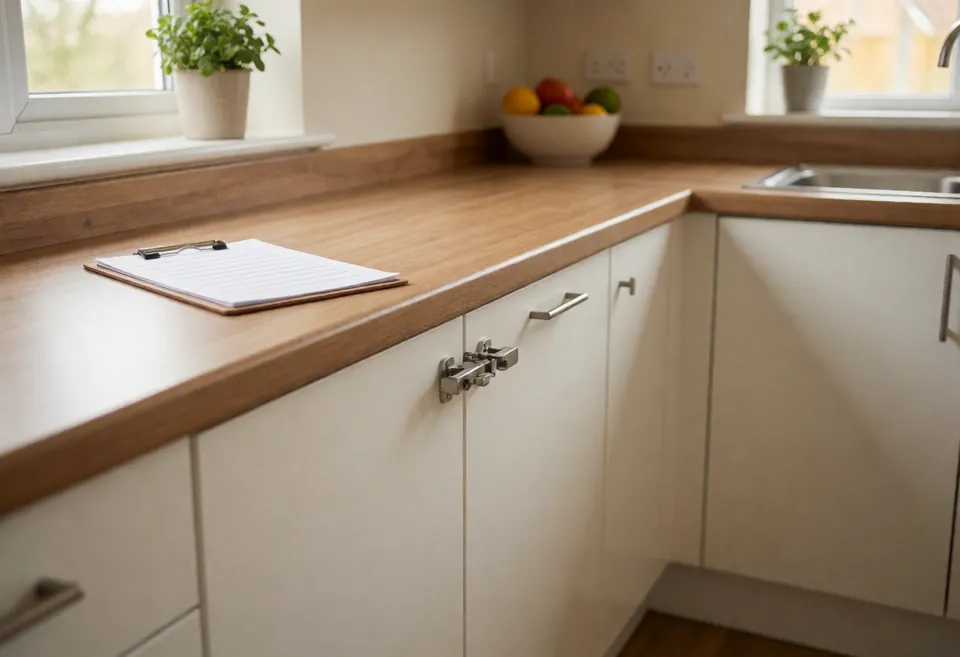
The whole process can take under two hours if you use a template. For more on keeping records efficient, see Ofsted form mapping to understand how your document links to inspection questions.
Common mistakes childminders make with house requirements
Many childminders trip up on the same issues. Avoid these mistakes:
- Writing a risk assessment once and never updating it. Children grow, equipment changes, seasons affect gardens. Review your document every 3 months and after any incident.
- Forgetting the garden. Even if you only use your garden for 10 minutes a day, you must assess it. Slopes, ponds, uneven paving, toxic plants – all need addressing.
- Not considering pets. If you have a dog, cat, rabbit, or other animal, state how you supervise children around them and keep feeding areas separate.
- Ignoring the kitchen. Children often pass through the kitchen. Document how you block access during cooking and where you store knives and cleaning products.
- Being vague. Saying 'the home is safe' isn't enough. Ofsted wants specifics – 'playroom door has a stair gate; all plug sockets have childproof covers; TV unit is anchored to the wall.'
- Neglecting visitors. If other adults (partner, friend, contractor) enter your home during childminding hours, your document should note how you manage safeguarding.
Warning: A common failing during inspections is not having a written fire evacuation plan that's been practised. Make a note in your document of the last fire drill date and how you recorded it.
Using your childminding house requirements document with parents and Ofsted
Your childminding house requirements document isn't just for inspectors – it's a tool to build trust with parents. When you share it during settling-in visits, it shows you've thought about their child's safety. Parents appreciate seeing a written risk assessment and emergency plan.
For Ofsted, the document is a red thread that runs through your entire practice. An inspector may ask: 'Show me how you ensure the environment stays safe throughout the day.' Your answer should refer straight back to the document – for example, 'I do a daily safety check before children arrive, which is recorded in my requirements document.'
To make the document work for you, keep it in a clear folder near your entrance. Update it immediately after any change – new furniture, a new child with allergies, a garden repair. This habit is one of the signs of an outstanding childminder. For more on daily routines that impress, see Daily diaries that save you time at pick-up.
When to seek legal advice
Most childminders can manage their childminding house requirements using templates and common sense. But some situations call for professional legal advice:
- If you live in rented accommodation and your landlord has restrictions on certain changes (e.g., installing stair gates, drilling for furniture anchors). Your tenancy agreement may conflict with EYFS requirements – a solicitor can help you negotiate.
- If you care for a child with complex medical needs. Specialist equipment (e.g., oxygen, feeding tubes) may need a custom risk assessment and house adaptations that go beyond standard templates.
- If you share the home with other adults who object to childminding. You may need a legal agreement outlining their responsibilities for safeguarding and house safety.
- If Ofsted issues a notice of concern about your premises. At that point, get a solicitor who specialises in childcare law to review your documents and advise on improvements.
In most cases, following EYFS statutory guidance and using a comprehensive pack like Policy & Play will keep you compliant. But when in doubt, paying for a one-hour legal consultation is cheaper than an enforcement action.
Checklist for meeting childminding house requirements
- Walk through every room children will use – remove hazards, secure furniture, cover sockets.
- Check garden fences, gates, and any water features (ponds, paddling pools).
- Create a written risk assessment for each area; update it at least termly.
- Install smoke alarms, carbon monoxide detectors, and a fire extinguisher.
- Prepare a nappy-changing station with disposable gloves, wipes, and a bin.
- Set up a quiet sleeping area with age-appropriate cots or mats (meeting safe sleep guidance).
- Display emergency numbers and a fire evacuation plan clearly.
- Store cleaning products, medicines, and sharp objects in locked cabinets.
Frequently asked questions
Do childminding house requirements apply to my garden shed and garage?
Yes, if children have access to them – even if you don't plan to use them. Lock all sheds and garages, and state in your risk assessment that they are inaccessible. If a shed contains tools or chemicals, include how you secure the lock.
Can I childmind from a flat or maisonette?
Yes. You still need a safe indoor space and a plan for outdoor play – either a shared garden (with written permission from the landlord) or daily outings to a park. Your risk assessment should cover stairwells, lifts, and communal areas.
How often should I update my childminding house requirements document?
At least once a term, or after any significant change – moving furniture, buying new equipment, a new child with allergies, or after an incident. Ofsted expects it to be live and current.
Does my house need to be perfect all day?
No. The requirements are about managing risk, not achieving showroom standards. For example, if a child spills water, you clean it up – that's fine. Your document should explain your routine for keeping the environment safe throughout the day.
Where can I find a pre-written childminding house requirements template?
Policy & Play (£14.99/month) provides a complete pack of EYFS-aligned documents, including a house requirements template with all the essential clauses. You can edit it to your home in under an hour.
This article is general guidance for UK UK childminders and nurseries, not legal advice. Our documents are editable templates and a starting point — adapt them to your situation.