· 3 min read
Becoming a childminder in the UK: costs, checks and what comes next
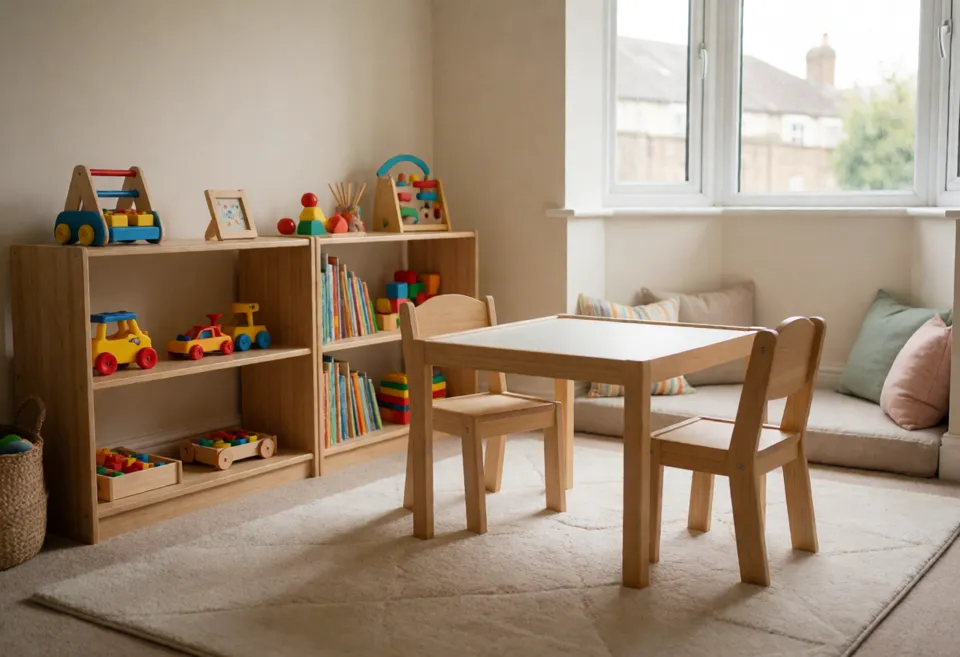
You love working with children, you want to work from home, and the idea of running your own setting appeals to you. Here's exactly what's involved.
If you want the short, step-by-step version, read how to register as a childminder. This post goes into more detail on costs, checks and what comes next.
Can you become a childminder?
In England you must register if you look after children under 8 for more than 2 hours a day in return for payment. You can't register if any of these apply to you:
- you are under 18
- you are related to all the children you care for
- you don't have the right to work in the UK
- you are barred from working with children or disqualified
You can register directly with Ofsted or with a childminder agency. Which register you join depends on the ages of the children:
- Children up to 31 August after their fifth birthday: the Early Years Register, and you follow the EYFS.
- Older children only: the Childcare Register.
Most childminders care for both and join both.
What it costs to get started
GOV.UK lists these costs:
- Ofsted registration fee: £35 if you care for children aged 5 or under (or all ages), or £103 if you only care for children aged 5 or older.
- Your DBS check: £41.
- First aid course: about £60 to £200.
- Childcare training for the type of care you will provide: about £60 to £200.
- GP health declaration: about £90.
Budget separately for insurance, which the EYFS says you must carry (public liability, for example). Also budget for equipment, smoke alarms, stair gates and any work on your garden.
The checks and training you need
DBS checks. You need an enhanced DBS check with barred lists for home-based work. So does everyone aged 16 or over who lives in your home or works there regularly. If you have lived abroad in the past 5 years, you also need a certificate of good character from that country's embassy. Joining the DBS Update Service keeps your check current and easy to show.
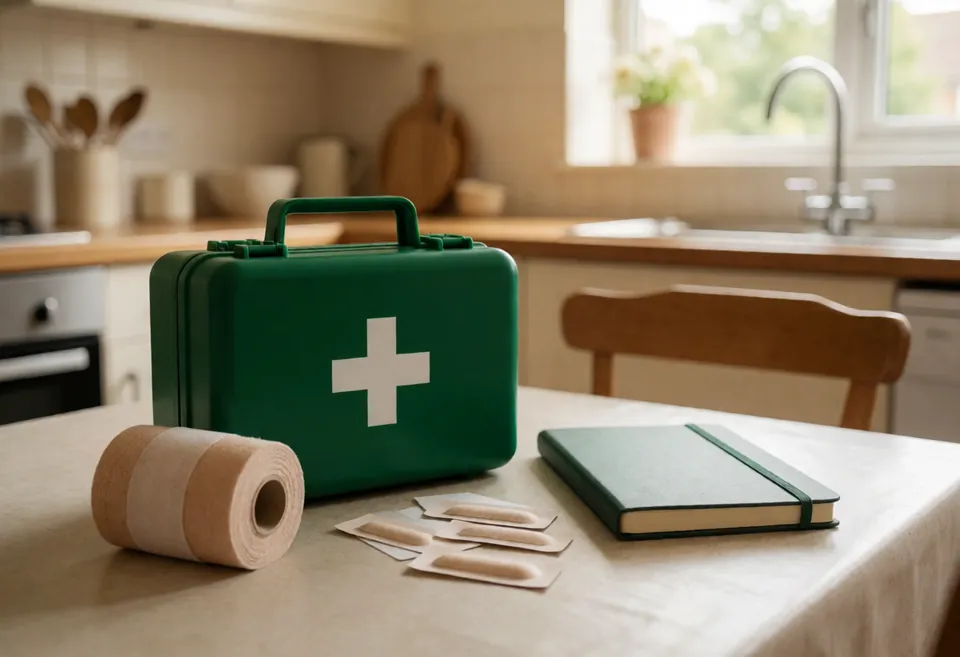
Paediatric first aid. You need a full paediatric first aid certificate to register, and you must hold one for as long as you are registered. It must be renewed every three years (EYFS 3.42).
Safeguarding training. As a childminder you are your own Designated Safeguarding Lead. You must attend a safeguarding course that meets the framework's criteria (EYFS 3.34). Many local authorities run pre-registration courses that cover this along with the EYFS. Ask yours what it offers.
Health declaration and references. Your GP completes a health declaration booklet. You also give contact details for 2 references.
Getting your home ready
An inspector will check that your house and garden are safe for children. Before you apply, walk through every room and outside space at a child's eye level. Things to check:
- stairs and gates
- windows and blind cords
- hot surfaces
- cleaning products and medicines
- garden fencing, ponds and tools
- somewhere safe for babies to sleep
- somewhere hygienic for nappy changing, near handwashing
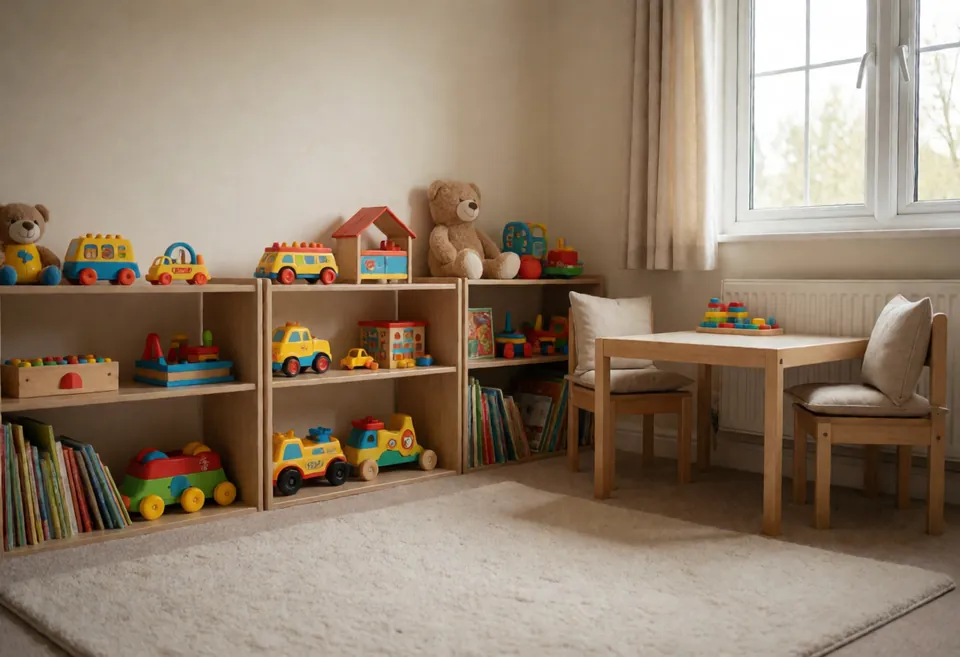
Think through your policies too. You don't have to write them down, but you must be able to explain them (see which policies you need).
The registration visit
If you will care for children aged 5 or under, an inspector visits before you are registered. They check:
- your identity and qualifications, including first aid
- that your house and garden are safe for children
- that you understand the EYFS and how you will put it into practice
- your level of English
Have your documents to hand. Be ready to talk about a typical day, how you would support each child's learning, and what you would do if you were worried about a child. If you will only care for children over 5, you will not usually get a visit.
Once you are registered
You get a certificate of registration if your application is approved. Display it where parents can see it. From then on:
- Tell Ofsted about anyone aged 16 or over who moves into your home or starts working there.
- Renew your paediatric first aid every three years.
- Keep your risk assessments, records and policies up to date.
- Keep learning. Local childminding networks and your local authority's early years team are good places to start.
When you're ready to take on children, check with your local authority whether you can offer funded childcare hours. Many parents look for that first.
Sources
GOV.UK: Become a childminder or nanny (England), including how much it costs, registering as a childminder based at home and after you apply.
Department for Education (GOV.UK): EYFS statutory framework for childminders, from September 2026 — paragraphs 3.34, 3.42, 3.89.