· 3 min read
Settling In: Helping Child and Parent Feel Safe

A good settling-in period builds trust for years. Here's how to structure those early visits so both the child and their family feel genuinely secure.
Two People Are Settling In, Not One
When a new child joins your setting, there's a tendency to focus entirely on the child — and of course, the child's needs are the priority. But the parent standing at your door with a slightly forced smile and a too-long goodbye is also settling in. They're trusting you with the person they love most. How you handle those first few visits shapes your relationship with the family for as long as you care for that child.
A thoughtful settling-in process communicates something important before you've said a word: you've done this before, you take it seriously, and this child is in safe hands.
Structure the Visits — Don't Wing It
An open-ended "come whenever" approach to settling-in sounds flexible, but it often creates more anxiety than it resolves. Instead, plan two or three short visits with clear purposes before the first full day.
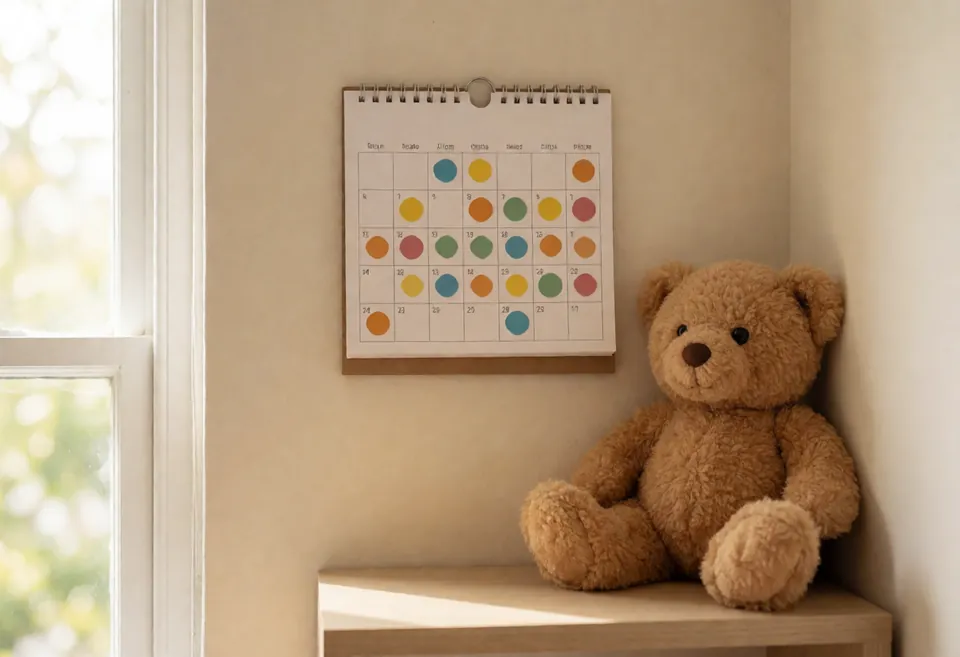
Visit one is about familiarity. Parent and child arrive together, stay the whole time, and you simply get to know each other. You're observing — what does this child gravitate towards? What language do they use? Who do they check in with for reassurance?
Visit two introduces a brief separation. Parent steps out for twenty minutes. You manage the child's emotions (whatever they are), and the parent comes back. The message to the child is: you leave, and you come back.
Visit three, if needed, extends that separation to an hour or a half-day. By this point, most children have a sense of the rhythm and the environment.
What to Say When a Child Is Distressed
Distress during settling-in is normal. Acknowledging it honestly is more helpful than rushing past it. "I can see you're missing Mummy. That's okay. Mummy is coming back after lunch, and while you wait we're going to [activity]." Simple, honest, and forward-looking.
Avoid the instinct to distract the child before they've had a moment to feel heard. A brief acknowledgement followed by a gentle redirect is far more settling than an enthusiastic pivot that ignores the emotion entirely.
Note what the child's key comfort strategies are — a toy from home, a particular song, physical closeness — and share these with the parent at the end of each visit. It shows you're paying attention, and it helps the parent feel confident that their child's individual needs are seen.
The Parent Goodbye
Brief goodbyes are kinder than long ones, even though they feel harder. Support parents in keeping the departure short and consistent. A hug, a clear "I'll be back at [time]", and then they leave — without doubling back. Reassure parents beforehand that it's normal for children to cry briefly and settle quickly once they're gone; ask them to trust you and to resist peeking back through the window.
Sending a quick message twenty minutes after drop-off ("Lena settled well — she's playing in the garden") can make an enormous difference to an anxious parent's morning. It takes thirty seconds and builds tremendous goodwill.
The First Full Day
Have a loose plan ready — a favourite activity from the settling visits, a familiar snack if you know what they like, a predictable rhythm to the morning. Predictability is settling for young children; novelty comes later, once they feel safe.
Write a warm, detailed diary entry at the end of the day. This is the one the family will read most carefully. Tell them something specific their child did, something that made you smile. That detail tells them you really saw their child today.
These articles are general guidance for registered childminders in England, not legal or Ofsted advice. Always check the current EYFS statutory framework and your local authority childminding advisor for your specific situation.
Gentle activities for the first weeks
Simple ideas aligned to the EYFS. Always supervise, and adapt to each child’s age and stage.
Hello and goodbye routine
All agesPersonal, Social and Emotional DevelopmentCommunication and Language
You’ll need
- A short, simple hello song
- A soft toy 'friend' who says hello
- A photo of each family
How to do it
- Sing the same hello song at the start of every session, using each child's name.
- Let the toy friend say hello to each child in turn.
- Look at family photos and name who they are.
- End with the same goodbye song so children learn the rhythm of the day.
Look out for: Notice how children respond to the routine, and whether they begin to join in or anticipate what comes next.
Treasure basket for babies
Babies (0–18 months)Physical DevelopmentUnderstanding the World
You’ll need
- A low, sturdy basket
- Safe natural objects: wooden spoon, large shell, fabric scarf, metal whisk
- A blanket to sit on
How to do it
- Sit the baby where they can reach the basket comfortably.
- Let them choose and explore each object in their own way.
- Name the object and describe its feel or sound.
- Swap in new items each week to keep it interesting.
Look out for: Watch hand-eye coordination, mouthing and which objects a baby returns to.
Keep it safe: Stay right beside the baby. Check every object is clean, undamaged and too large to swallow.
Feelings faces in the mirror
Toddlers (18 months–3)Personal, Social and Emotional DevelopmentCommunication and Language
You’ll need
- A safe mirror
- Paper plates
- Pens
- Feelings pictures or a favourite picture book
How to do it
- Look in the mirror together and pull happy, sad and surprised faces.
- Draw a face on a plate for each feeling.
- Say 'I feel…' and match a plate to how you feel now.
- Read a book and point out how the characters feel.
Look out for: Notice which feeling words children use and whether they can name a feeling in others.
Keep it safe: Use a shatterproof mirror fixed at child height, and give under-3s large, blunt-tipped pens under close supervision.