· 3 min read
How to Write a Behaviour Policy Parents Actually Read
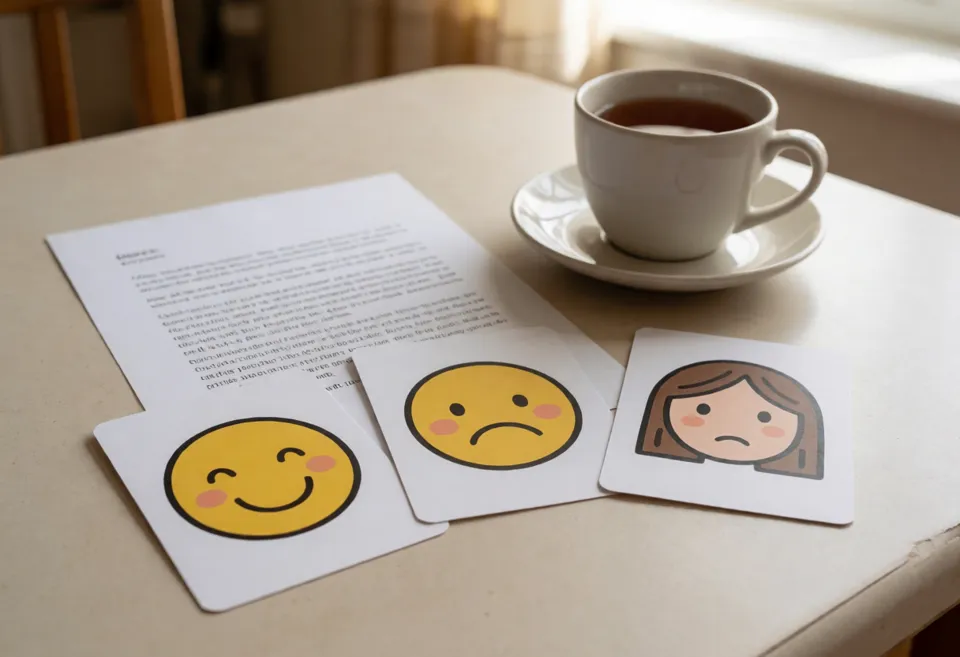
Most childminder behaviour policies go unread. Here's how to write one that's clear, honest, and sets the right tone with families from the start.
The Policy Sitting in a Folder
Be honest: most families don't read your policies. They sign the form at registration, file the copy away, and carry on. That's not because they don't care — it's because most policies are written in a way that doesn't invite reading. Dense paragraphs, formal language, and a document that reads more like a legal notice than a conversation.
The good news is that your behaviour policy doesn't have to be like that. A well-written one can actually set the tone for your relationship with families, and when a difficult situation arises — and occasionally they do — you'll be glad it's clear and accessible.
Start With Your Values, Not the Rules
The opening of your behaviour policy should tell families what you believe about children's behaviour, not what you'll do when they misbehave. Something like: "I believe all children are learning how to manage their feelings and behaviour. My role is to support that learning with warmth, consistency, and clear boundaries."

This framing matters. It signals that you're a thoughtful practitioner, not someone waiting to hand out consequences. It's also genuinely EYFS-aligned: the framework is explicit that behaviour management should be positive and focused on children's emotional wellbeing. Your policy should reflect that.
Make the Everyday Stuff Clear
Parents want to know what a typical day looks like when a child is testing boundaries. Walk them through it briefly. How do you support a child who is struggling to share? What do you do when two children are in conflict? How do you help a child regulate big emotions?
Concrete, plain language works better here than EYFS jargon. "I use consistent, calm language to redirect behaviour" is useful. "I implement a developmentally appropriate positive behaviour management strategy" communicates the same thing far less effectively.
Be Specific About What You Won't Do
Your policy must be clear that you never use physical punishment, humiliation, or any approach that could harm a child's self-esteem. This is a legal requirement and an Ofsted expectation. State it simply and directly. Most parents will skim past it as obvious — but it needs to be there.
If you work with children with specific behavioural needs, mention briefly that you work with families and, where appropriate, other professionals to find the right approach. This shows flexibility without overcommitting.
The Part Families Actually Want to Know
Towards the end of your policy, address the question families are really asking: what happens if my child's behaviour is very challenging? Be honest and kind. Say that in most cases, working closely with the family resolves things. Acknowledge that in rare situations, if a placement is not working well for a child, you'd discuss it together and explore options.
This is the conversation parents are afraid to have, so getting it into the policy — gently, not as a threat — removes some of that anxiety.
Short, Signed, and Actually Shared
Aim for one to two pages maximum. Send it ahead of the settling-in period rather than on the first day. Ask if families have any questions. A policy that prompts a conversation is doing its job — it's not just a safeguarding box-tick, it's the start of a genuine partnership.
These articles are general guidance for registered childminders in England, not legal or Ofsted advice. Always check the current EYFS statutory framework and your local authority childminding advisor for your specific situation.
Everyday ways to teach kindness and feelings
Simple ideas aligned to the EYFS. Always supervise, and adapt to each child’s age and stage.
Feelings faces in the mirror
Toddlers (18 months–3)Personal, Social and Emotional DevelopmentCommunication and Language
You’ll need
- A safe mirror
- Paper plates
- Pens
- Feelings pictures or a favourite picture book
How to do it
- Look in the mirror together and pull happy, sad and surprised faces.
- Draw a face on a plate for each feeling.
- Say 'I feel…' and match a plate to how you feel now.
- Read a book and point out how the characters feel.
Look out for: Notice which feeling words children use and whether they can name a feeling in others.
Keep it safe: Use a shatterproof mirror fixed at child height, and give under-3s large, blunt-tipped pens under close supervision.
Hello and goodbye routine
All agesPersonal, Social and Emotional DevelopmentCommunication and Language
You’ll need
- A short, simple hello song
- A soft toy 'friend' who says hello
- A photo of each family
How to do it
- Sing the same hello song at the start of every session, using each child's name.
- Let the toy friend say hello to each child in turn.
- Look at family photos and name who they are.
- End with the same goodbye song so children learn the rhythm of the day.
Look out for: Notice how children respond to the routine, and whether they begin to join in or anticipate what comes next.