England · Early years planning

Friday planning packs

Pick a week for your setting. Use the picture to start a conversation, try one idea each day and send the family prompt home.

Policy & Play · Friday 27 November 2026

Boots by the door

Week beginning 30 November 2026 · Getting ready to go out
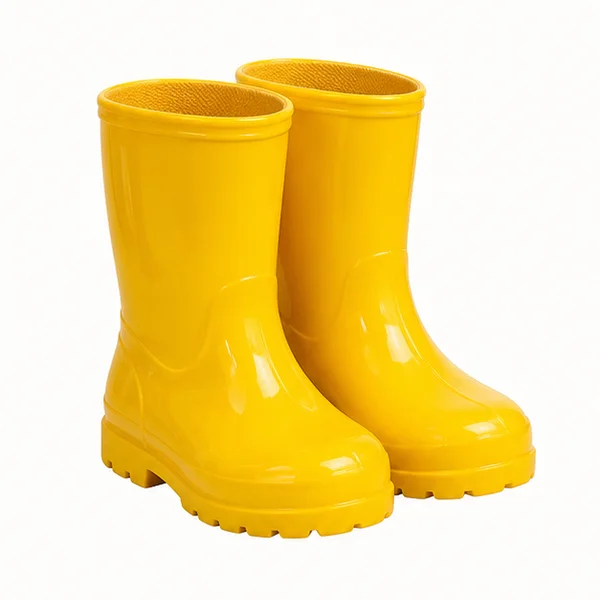
A pair of yellow Wellington boots
Save picture card

Gather

Clean wellies, a coat, a large sheet of dark paper, a damp cloth and the boots picture card.

Monday
Put one boot beside the picture. Let each child look, touch or point while you name what they notice.
Tuesday
Put the wellies by the door. Ask which things you need for today’s weather and let the children choose.
Wednesday
Dampen a clean boot sole with the cloth and stamp a trail on the dark paper. Compare the marks left by a gentle press and a firm one.
Thursday
Tell a two-part story about getting ready. Pause after “First my socks…” and invite a sound, gesture or ending.
Friday
Invite a child to show a toy how to get ready. Repeat their words back, adding one detail they can hear and use.

What children can practise

Putting boots on gives words like first and next a meaning a child can see and feel.

Adapt for your children

For a baby, bring the clean boot into view and wait for their gaze. An older child can order the steps and explain a choice.

What did you notice?

How did the child tell you what comes next? Keep one word, gesture or action to revisit.

To share with families

Which shoes will you choose tomorrow? Let your child show you a pair by the door.
Policy & Play · Friday 4 December 2026

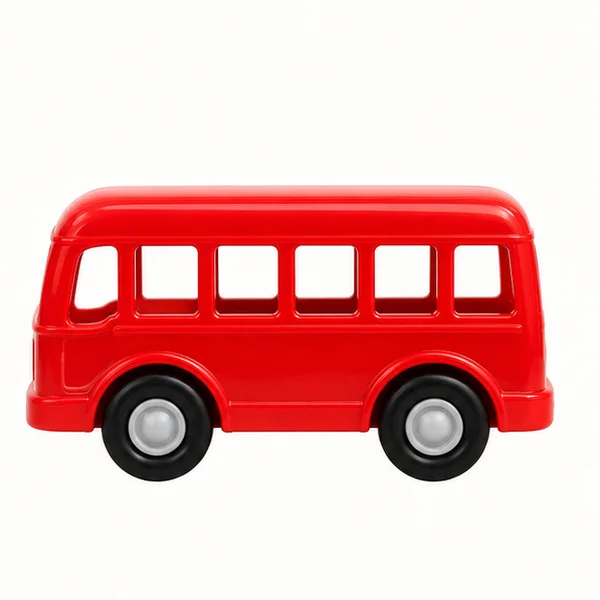
Where shall the bus stop?

Week beginning 7 December 2026 · Taking turns and talking about journeys

A red double-decker toy bus
Save picture card

Gather

Two chairs, the bus picture card and a large soft toy to be a passenger.

Monday
Place the bus picture between you. Follow the child’s gaze and add a sound for starting or stopping.
Tuesday
Make a pretend bus with two stable chairs. Let a child choose the destination while you play the passenger.
Wednesday
Take turns calling “stop” and “go”. Offer a hand signal so children can direct the game without speaking.
Thursday
Use the doorway and a cushion as landmarks. Describe the route with words such as past, beside and around.
Friday
Invite children to retell the bus journey to the toy. Ask where it should stop next time.

What children can practise

When a child signals a stop and the driver responds, both children practise noticing and responding to someone else.

Adapt for your children

A baby can watch the toy arrive and leave. A child who knows the route can give directions or invent a new stop.

What did you notice?

Which word, sign or movement did the child use to invite a passenger or direct the driver?

To share with families

Look for a bus on your next outing, or imagine one together. Where would you ask the driver to stop?

Policy & Play · Friday 11 December 2026

One picture, many stories

Week beginning 14 December 2026 · Making up and retelling stories

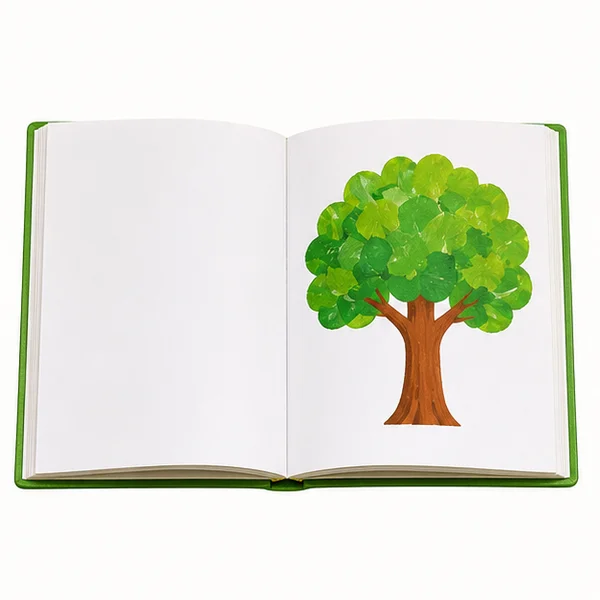
An open picture book showing a green tree
Save picture card

Gather

The tree picture card, a familiar picture book and a favourite toy.

Monday
Show the tree picture. Leave space for the child to point out one detail before you describe it together.
Tuesday
Place a familiar toy beside the picture. Wonder aloud who might live in the tree and accept the child’s idea.
Wednesday
Make up two sounds for the story. Repeat them and pause so the child can choose which one comes next.
Thursday
Tell a tiny story in three parts. Use the same opening each time and let the child change the ending.
Friday
Revisit the picture with another listener. Invite the child to tell, point or act out their favourite part.

What children can practise

Returning to one picture helps children recall an idea, add detail and put events in an order that makes sense to them.

Adapt for your children

Share one picture at a time with a baby. A confident storyteller can change a character or tell the same story in a home language.

What did you notice?

Which detail did the child return to, and how did their version of the story change?

To share with families

Pick a picture together. Ask what might happen just outside the edge of the page.

Policy & Play · Friday 18 December 2026

A mitten for each hand

Week beginning 21 December 2026 · Pairs, textures and helping ourselves

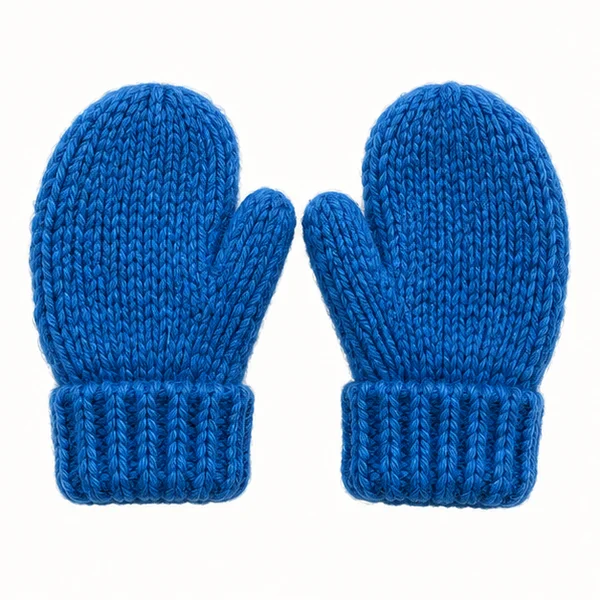
Two blue knitted mittens
Save picture card

Gather

The mitten picture card and a few clean, cord-free pairs of mittens or socks.

Monday
Offer two different fabrics to feel. Name the texture the child reaches for and wait for a response.
Tuesday
Place a mitten beside its partner. Invite the child to find another pair from a small choice.
Wednesday
Describe one mitten while the child looks for it. Swap roles and follow their clues.
Thursday
Use your own hands to model putting on and taking off a mitten. Let the child choose which step to try.
Friday
Make a pretend lost-property basket. Invite each child to match a pair and explain or show where it belongs.

What children can practise

Finding a partner for a mitten gives children a reason to compare two objects and explain what is the same.

Adapt for your children

For a baby, offer one soft fabric at a time while you hold it. Older children can make their own rule for sorting the basket.

What did you notice?

What did the child use to make a match: colour, texture, size or something else?

To share with families

When putting away clean laundry, offer two socks and ask your child to find their partners.

Policy & Play · Friday 25 December 2026

Notice the winter sky

Week beginning 28 December 2026 · Noticing, comparing and describing

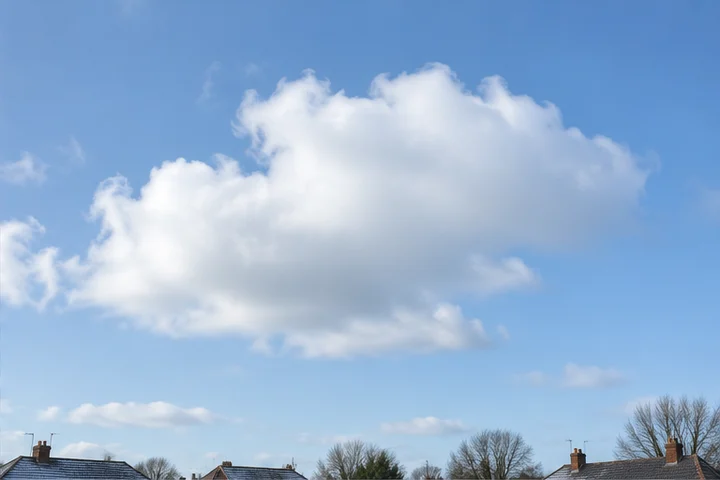
A white cloud over rooftops in a blue winter sky
Save picture card

Gather

A view from indoors, the three sky pictures, and paper and crayons if children want to draw.

Monday
Pause by a closed window. Let the child show you one thing they see. Name it and wait for a sound, gesture or word in reply.
Tuesday
Look at the rain and cloud pictures together. Invite children to point to a shape or trace it in the air.
Wednesday
Choose one picture and make a sound for it. Take turns copying a sound or adding a different one.
Thursday
Look again later in the day. Use the dusk picture to talk about how the light can change. Draw a mark or choose a colour for what you see.
Friday
Offer two pictures and ask which is closer to today's sky. Let the child choose one and show or tell you what helped them decide.

What children can practise

Returning to the same view gives children a chance to notice changes, use comparison words and explain what they see.

Adapt for your children

Offer a baby one picture at a time, within easy view. An older child can compare two pictures or use a home-language word for the weather. Pick one prompt on any day your setting is open.

What did you notice?

What did the child use to describe a change? It might be a new word, a gesture or a mark on paper.

To share with families

Look out together before tea. Has the sky changed since this morning? Let your child show you how.

Look and talk

Raindrops running down a window
Which drop can you follow with your finger?
A white cloud over rooftops in a blue winter sky
Point to a shape. What does it remind you of?
A pink sky above bare trees at dusk
What colours can you see here that you couldn't see in the other picture?